When a product is involved in a serious injury, what happened may initially seem obvious: a car crashed, a tire failed, a piece of machinery malfunctioned, or a consumer product broke.
But sometimes the more important question is why it happened.
Was the product designed in a way that created an unnecessary risk? Did something go wrong when it was manufactured? Did the manufacturer know about a danger but fail to adequately warn consumers?
Under Georgia law, a product does not have to be visibly broken to potentially be considered defective. Understanding how a product can be defective—and uncovering evidence of that defect—can be critical when determining whether a manufacturer may be responsible for an injury.
Three Ways a Product May Be Defective
Product liability cases generally involve one or more of three types of defects: design defects, manufacturing defects, and inadequate warnings or instructions.
1. Design Defects: Was the Product Unsafe From the Start?
A design defect involves a problem with the way a product was designed. The product may have been manufactured exactly according to specifications, but the design itself may create an unreasonable risk of injury.
For example, a vehicle may perform normally in everyday driving but fail to adequately protect occupants during a foreseeable crash. A piece of machinery might operate exactly as intended but lack a guard or other safety feature that could prevent a serious injury.
Under Georgia law, courts evaluating a design-defect claim consider the risks associated with the product’s design compared with its usefulness. One important consideration may be whether a safer, practical alternative design was available.
For an injured consumer, however, that information is rarely readily available. Determining whether a safer design existed may require examining engineering documents, testing, industry standards, and other evidence held by the manufacturer.
2. Manufacturing Defects: Did Something Go Wrong During Production?
Sometimes there is nothing inherently wrong with the product’s design. Instead, something goes wrong while a particular product is being manufactured or assembled.
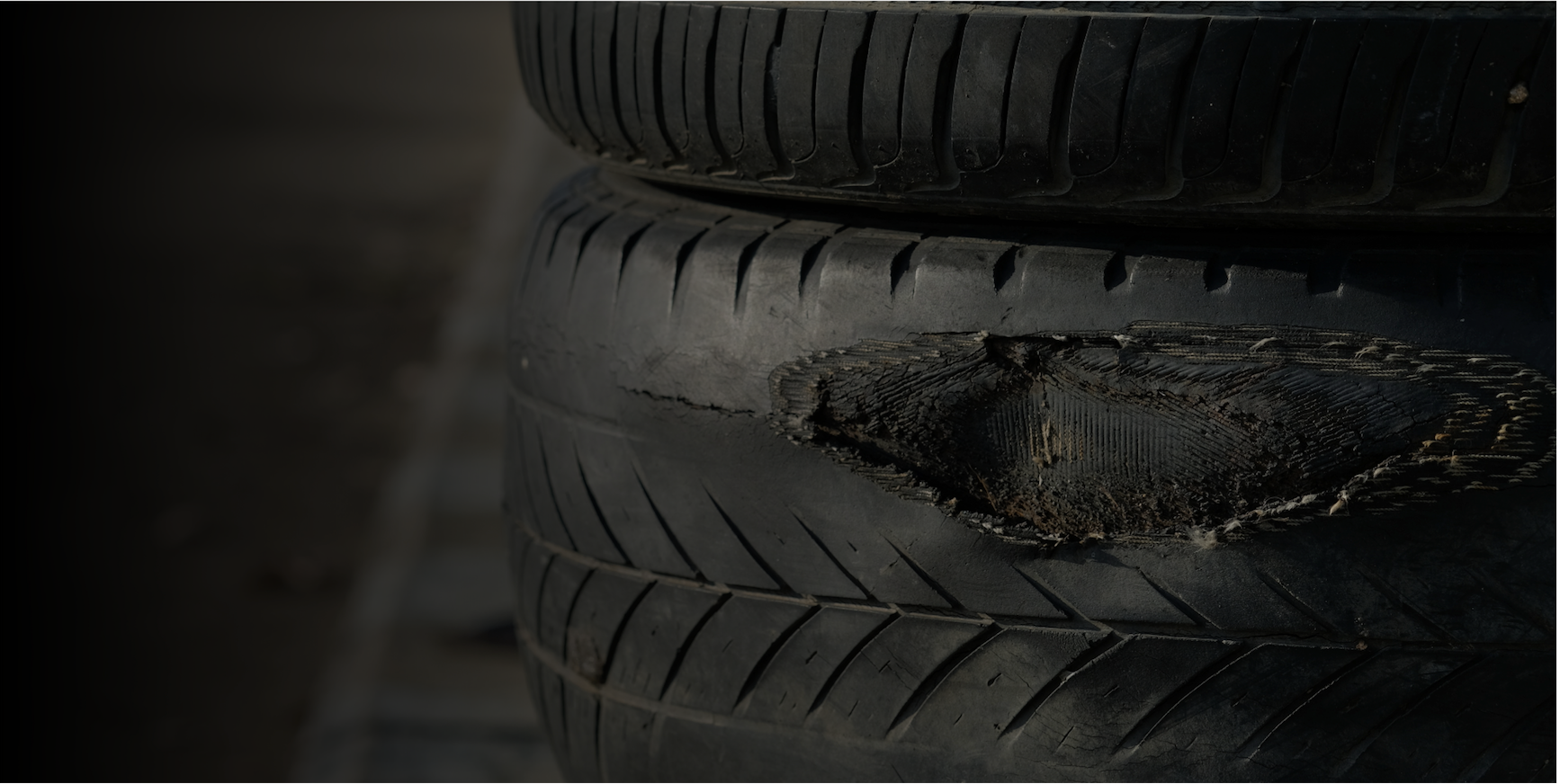
A tire, for example, may be safely designed, but a problem during production could cause the tread to separate at highway speed. A faulty weld, missing component, contaminated material, or assembly error could similarly turn an otherwise safe design into a dangerous product.
Investigating a possible manufacturing defect may require comparing the product involved in the injury with its intended design and examining manufacturing processes, quality-control records, testing, and other evidence.
3. Failure to Warn: Did the Manufacturer Adequately Disclose the Danger?
Some products involve risks that cannot be completely eliminated through design. When those dangers are not obvious, manufacturers may have a duty to provide adequate warnings and instructions.
A failure-to-warn case can raise important questions: What did the manufacturer know about the risk? When did it know? Were there prior incidents or complaints? Did the warning clearly explain the danger? Did it tell consumers how to use the product safely?
The fact that a product came with a warning does not necessarily answer those questions. The adequacy of the warning—and the information available to the manufacturer—can matter.
An Injury Doesn’t Automatically Mean a Product Was Defective
Not every product involved in an injury is legally defective. Many products carry some level of risk even when they are properly designed, manufactured, and labeled.
Determining whether a product is legally defective requires looking beyond the fact that an injury occurred and examining the product, the circumstances of the incident, and, in many cases, evidence about how the product was designed, manufactured, and marketed.
Questions that may need to be answered include:
- Was a safer design available?
- Did the product differ from how it was supposed to be manufactured?
- Was an important safety feature missing?
- Did the manufacturer know about similar failures or injuries?
- Were consumers adequately warned about a known or foreseeable risk?
- Did the defect cause or contribute to the injury?
Answering those questions often requires technical analysis and evidence that an injured person may not have access to on their own.
The Evidence of a Defect May Be Hidden
One of the challenges in product liability cases is that a defect may not be obvious from looking at the product.
The evidence may instead be found in design files, testing results, manufacturing records, internal communications, consumer complaints, prior incidents, recalls, or information about alternative designs.
Product liability attorneys may work with engineers, accident reconstruction professionals, product safety specialists, medical experts, and other professionals to determine what happened, why it happened, and whether the product played a role.
That is also why preserving the product can be so important. If you believe a product may have contributed to a serious injury, do not discard, repair, alter, or destroy it if it can safely be preserved. Photographs, packaging, manuals, receipts, warning labels, and model or serial numbers may also become important evidence.
When a Serious Injury Deserves a Closer Look
A product-related injury may initially look like an unavoidable accident. But when a product fails unexpectedly, does not provide the protection someone reasonably expected, or causes an injury that raises questions about its safety, there may be more to investigate.
At Cannella Snyder LLC, our attorneys have extensive specialized experience in product liability and personal injury law. We understand how to investigate complex cases, take on well-funded corporate defendants, and fight for the compensation our clients deserve.
If you or a loved one has been injured by a defective product, do not wait. Contact our office today for a free consultation. We are here to help you understand your rights and chart a path forward.
The content of this blog post is for informational purposes only and does not constitute legal advice or create an attorney-client relationship. For advice about your specific situation, please contact our office